
Duke University Softball Field Renovation: A Stormwater Innovation Success Story
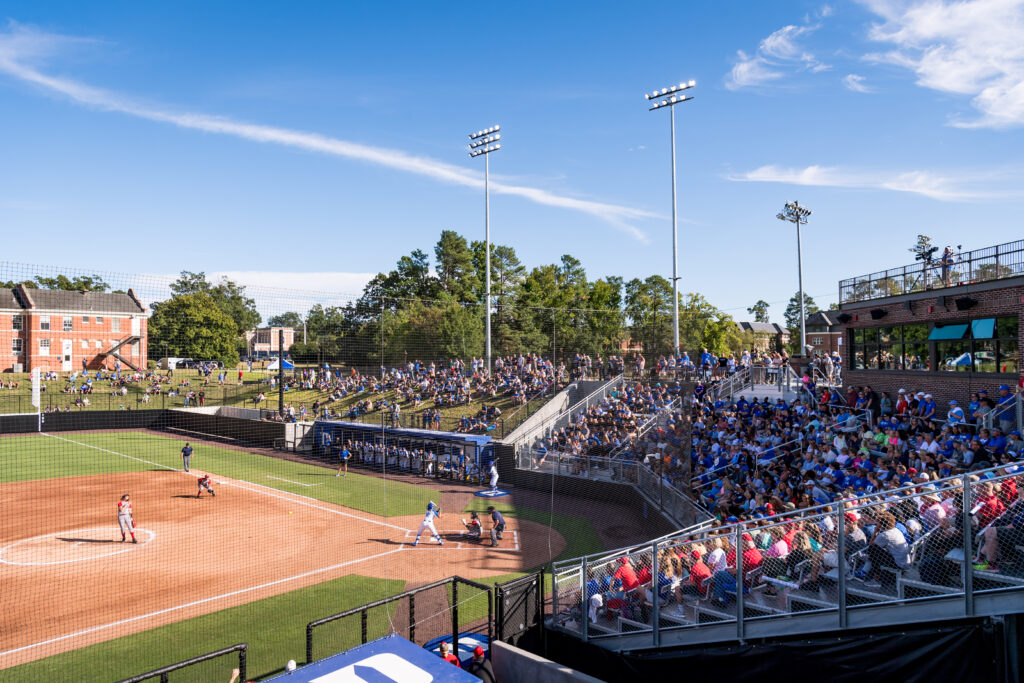
Duke University has long been at the forefront of academic and athletic excellence. Yet, when the university began planning the construction of its softball field, they encountered a unique challenge: integrating an innovative stormwater management system within the constraints of a premier NCAA athletic facility. This endeavor, which combined engineering ingenuity and environmental stewardship, not only enhanced the field but set a precedent for sustainable sports infrastructure.
The Need for Innovation
Softball is a relatively new sport at Duke University, having launched its program in 2015. To support this initiative, the university envisioned a state-of-the-art field capable of hosting high-caliber games and handling North Carolina’s variable weather conditions. However, the site’s location on Duke’s historic East Campus, combined with the City of Durham’s stringent stormwater regulations, posed significant challenges.
Durham’s stormwater policies prioritize two main aspects: peak flow rate detention and water quality. These requirements ensure that development projects minimize their environmental impact by reducing flooding risks and reducing nutrient export. Adding complexity to the project, athletic fields are classified as impervious surfaces due to their high drainage efficiency, akin to parking lots. Addressing these challenges required an inventive approach that merged cutting-edge engineering with Duke’s sustainability vision.

Designing the Field as a Sand Filter
Typical NCAA fields are designed for optimal drainage, allowing water to flow through sand layers and into subgrade systems as quickly as possible. While this efficiency prevents standing water, it does little for water quality treatment. For the Duke softball field, the engineering team blended these athletic priorities with environmental goals by adapting the field’s subsurface layers into a sand filter capable of treating stormwater.

Key Components of the Design:
Customized Sand Media
The sand layer beneath the field was expanded from the standard 10 inches to 18 inches, aligning with North Carolina’s BMP (Best Management Practices) manual for sand filters. This mix included proprietary root-zone materials, balancing the needs for stormwater filtration and turf growth. The carefully engineered blend incorporated specific amounts of organics and peat moss to ensure both water quality improvement and optimal grass growth. Independent lab testing validated the mix’s effectiveness, addressing both city and project requirements.
Enhanced Drainage System
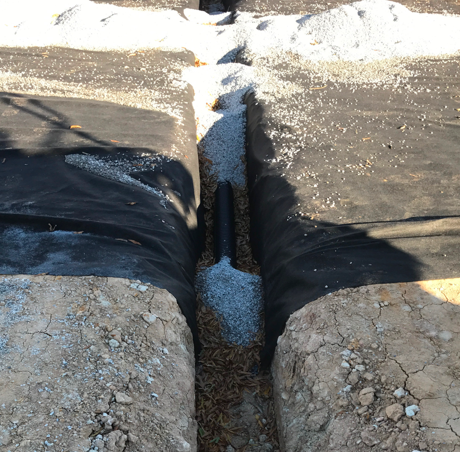
The field’s drainage system utilized advanced ADS N-12 pipes, commonly found in high-performance fields like the Denver Broncos’ stadium. Lateral drainage pipes were spaced at 20 feet, double the spacing of a standard NCAA field, ensuring efficient water capture and treatment. The system was designed without traditional geotextile fabric to avoid clogging issues, relying instead on precise material gradation to prevent sediment migration between layers.
Maintenance-Friendly Design
The design eliminated traditional sediment chambers. Instead, only precipitation falling directly on the field was treated, minimizing maintenance complexity. Subsurface cleanouts were strategically hidden under the warning track and marked with detectable metal caps for easy access during inspections. This innovative approach preserved the field’s aesthetic and functional integrity while meeting maintenance requirements.
Collaboration + Approvals
Bringing this unconventional design to fruition required extensive collaboration between Duke University, McAdams, Millennium Sports Technologies, and the City of Durham. Early conversations with city stormwater reviewers proved pivotal. Jennifer Buzun, a key city official, played a significant role in approving deviations from standard practices, recognizing the project’s innovative potential.
Testing and validation were equally rigorous. The custom sand mix underwent independent laboratory analysis to ensure compliance with both athletic performance and water quality standards. Additionally, the drainage system’s design drew upon performance data from similar installations, including the Denver Broncos’ field, to demonstrate long-term viability.
Construction + Results
Construction began in earnest, with precision grading and material placement ensuring the field’s dual functionality. The project leveraged advanced construction techniques to achieve the near-perfect flatness required for NCAA fields, ensuring optimal playability. The turf was laid meticulously to meet NCAA standards, while subsurface layers were carefully assembled to maintain the integrity of the sand filter.
One of the most critical phases of construction was the installation of the sod, sourced from a specialized turf farm in Georgia. Timing was essential to ensure the turf established properly before the field’s inaugural game. The field’s drainage and filtration system performed flawlessly during post-construction testing, demonstrating its ability to handle heavy rainfall while improving water quality.
The result was a softball field that not only met athletic expectations but also significantly reduced environmental impact. The sand filter system effectively treats runoff for nitrogen and phosphorus, contributing to the overall stormwater management strategy for East Campus’s Sub-basin 15. Additionally, the system’s cost—$300,000 for the enhanced sand layer—was a fraction of what a separate underground stormwater facility would have required, representing a tenfold cost savings.

A Model for Future Projects
The Duke softball field renovation exemplifies how interdisciplinary collaboration and innovative design can address complex challenges. By integrating stormwater management into the athletic facility, the project minimized environmental impact while supporting Duke’s sustainability goals.
This project’s success has inspired further developments. Duke University plans to expand the stadium’s seating and amenities, with designs already accounting for future stormwater needs. By incorporating flexibility into the original stormwater impact analysis, the project team ensured that future expansions could proceed without significant redesigns.
Moreover, this innovative solution serves as a blueprint for sustainable sports infrastructure nationwide. Colleges, universities, and professional teams alike can learn from Duke’s example, demonstrating that environmental stewardship and athletic excellence can go hand in hand. The Duke softball field stands as a testament to what’s possible when engineering, athletics, and environmental stewardship converge, setting a new standard for sustainable development.
